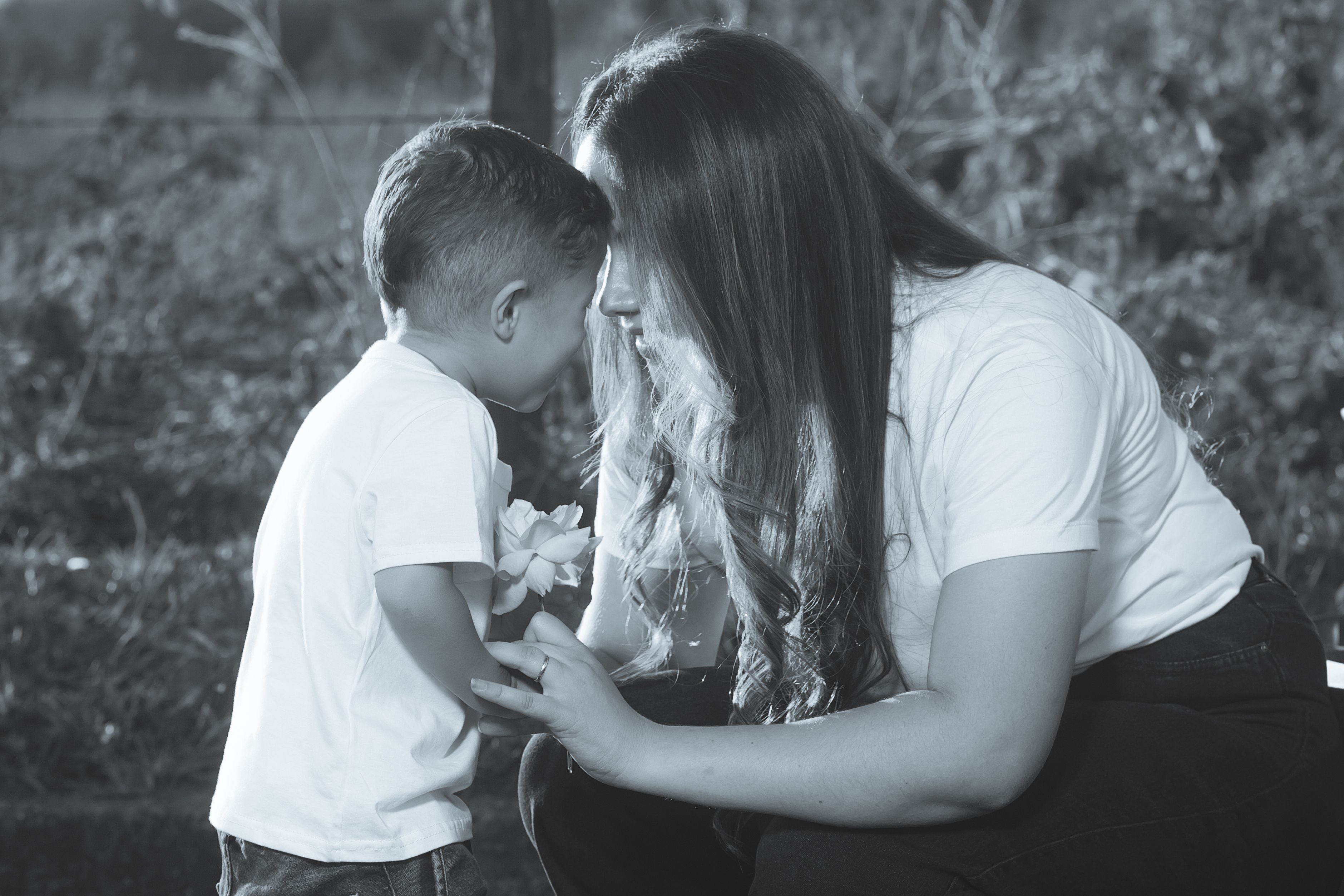
Why Mattering Matters, Especially for Children

Most of us learned “basic needs” as a short list: food, water, shelter, safety. Useful, yes. Complete? Not really.
Harvard’s Center on the Developing Child is asking us to widen the list with something that sounds soft but works like a load-bearing wall: mattering. In their working paper Mattering in Early Childhood, they define mattering as the feeling that we are valued and that we have value to add. Put simply: “I’m important to you, and what I do makes a difference here.”
What caught my attention is how direct they are: mattering isn’t a “nice extra.” It’s an essential human need. That doesn’t replace food or housing; it explains why some kids can have the basics and still feel shaky inside. A child can have a full fridge and still quietly wonder, Would anyone notice if I wasn’t here?
Harvard also clarifies a common mix-up. Belonging is about fitting in. Mattering is about significance. You can belong to a family, classroom, or team and still not feel valued. And you can feel loved but never trusted to contribute, which also chips away at mattering. Their paper keeps returning to the two parts: feeling valued and adding value.
This connects to the Center’s long-standing “serve and return” concept: the back-and-forth exchanges between a child and a caring adult. When a baby coos and you respond, when a toddler points and you name what they see, when a child is upset and you help them settle, those moments shape brain architecture and build early language and social skills.
Mattering grows in those ordinary, repeated returns: I see you. I’m with you.
It also helps explain why chronic stress hits kids so hard. Harvard defines toxic stress as prolonged activation of stress response systems, especially when a child lacks supportive relationships to buffer that stress. Support doesn’t erase hardship, but it helps a child’s body return to calm, again and again, which supports resilience.
That’s why “mattering” is so important for kids in vulnerable neighborhoods, or in families with chaos, conflict, untreated mental illness, or substance use. In those settings, mattering can be the first thing to slip, even when adults love their children. When life is unpredictable, kids often stop asking, “Do you love me?” and start asking, “Do I count? Will anyone show up consistently?” The Center’s resilience paper notes that children who do well despite serious hardship often have had at least one stable, committed relationship with a supportive adult.
So what do we do on a normal Tuesday? Start small on the “valued” side. Make eye contact. Put the phone down for one minute. Notice what they’re trying to tell you beneath the behavior. Comfort first, correct second. That’s serve and return in real life.
Then build the “value to add” side. It’s faster to do everything yourself, but kids need real chances to contribute. Harvard notes that welcoming a child’s contributions helps build mattering. Let them set out napkins, feed the pet, carry in groceries, sweep after dinner, read to a sibling, and say the quiet part out loud: “That helped our family. You made a difference.”
If you’re tired reading this, you’re not disqualified. Mattering doesn’t require perfect parenting. It requires consistent signals, some warmth, some attention, and some real opportunities to help, until kids believe something sturdy: My presence counts, and I can do good here.
Lauren Hall is the President and CEO of First Things First. Contact her at lauren@firstthings.org.